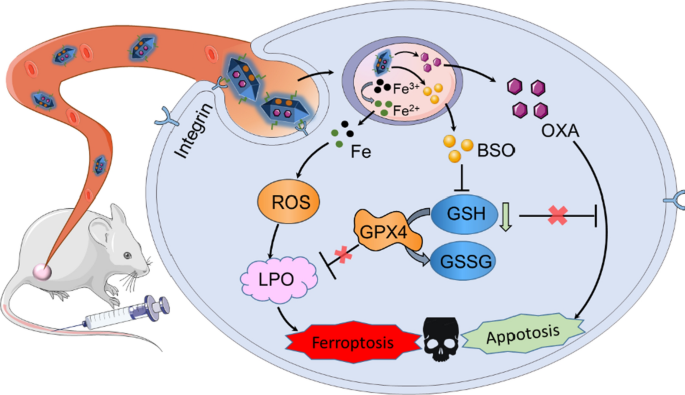
However, cell damage can occur with insufficient amounts or improper functioning of this enzyme (if it becomes overwhelmed, for example, with excess GSSG).* Glutathione plays a role in most bodily processes.* Inadequate amounts can lead to many discomforts and potential health issues, lower glutathione levels may stem from genetic factors, diet, lifestyle, and age.* The following are several examples of glutathione's foundational roles in human health.* Low levels of glutathione have been linked with premature cell death, also called apoptosis, and higher levels are linked with longevity.* [2] When the body has enough glutathione, it can help to maintain energy levels, promote a healthy inflammatory response, support cognitive activity, and normalize metabolic functions.* The more glutathione the body has, the healthier your mitochondria and cells.* Antioxidants are best known for their healthy aging benefits, as they help to protect your body from oxidative stress, or free radical damage.* A certain amount of free radicals is unavoidable and normalthe body naturally produces energy and releases free radicals as byproducts of this process

Once a claim fits one of those recognized scenarios, confirm the following before billing: Insulin was administered in a covered clinical setting (not self-administered at home) The patient has a supporting diabetes diagnosis, such as E11.9, from the ICD-10-CM E10-E13 range Medical necessity is documented in the clinical record The insulin product is on the payers covered drug list The claim includes the required National Drug Code (NDC) where the payer demands it Reimbursement rates for J1815 under Medicare are based on the Average Sales Price (ASP) methodology, updated quarterly by CMS
Keep the vials refrigerated when not in use, and do not allow them to freeze
Symptoms of adrenal dysfunction, such as fatigue and brain fog, are discussed, highlighting their overlap with thyroid issues