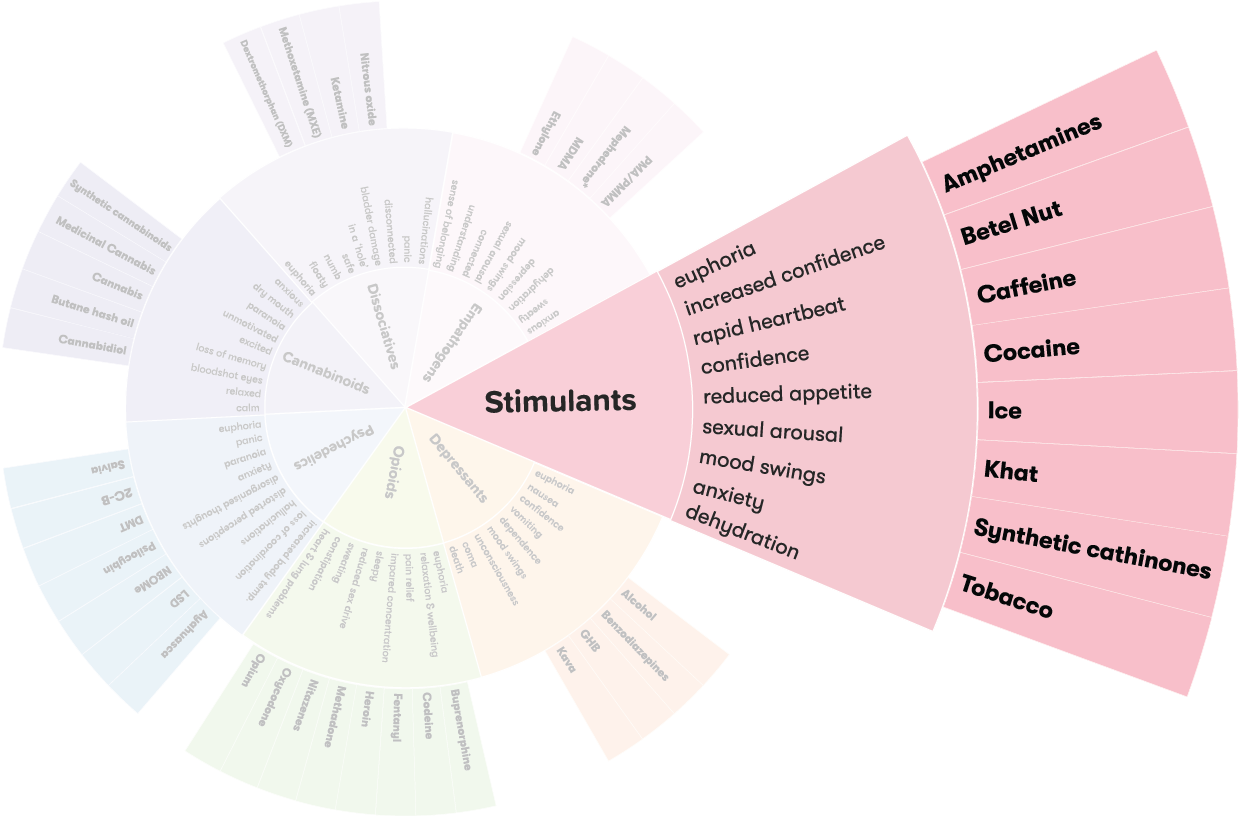
Common risk cases Invoice issued in Jan but goods delivered in Feb Goods dispatched in Jan, invoice in Feb Returns/credit notes in Feb for Jan sales MRP printed and trade margin agreements signed before the change Practical control: create a rate-change SOP for 31 Jan night: freeze old rate billing after business hours run a pending delivery report ensure invoice date aligns with actual supply rules you follow internally document basis for rate applied (audit trail) 6) What you should update immediately (checklist) Master data & billing Update SKU-wise HSN classification to match the notified groups (2401/2402/2403/2404, 2106 90 20, biris codes) Update tax rate mapping: Biris 18% Pan masala + most tobacco 40% Remove/disable Compensation Cess calculation where cess rate is now Nil Contracts & pricing Update distributor agreements for tax change clauses Refresh rate cards, schemes, and credit note policies GST return hygiene Watch for: outward tax liability differences in GSTR-1 customer mismatches (B2B buyers reconciling ITC) old HSN-rate combinations still appearing after 1 Feb 7) Simple illustration (invoice-level) Assume a taxable value of 1,00,000: If product falls under 40% GST group (most tobacco/pan masala) GST @ 40% = 40,000 Total invoice (GST only) = 1,40,000 (excluding any other non-GST levies) If product is Biris (18%) GST @ 18% = 18,000 Total invoice (GST only) = 1,18,000 (Your real consumer price may still change based on non-GST levies and pricing strategy.) 8) What to communicate to clients/stakeholders Use a one-paragraph note like this: From 1 Feb 2026, GST rates on tobacco/pan masala have been restructured: Biris are taxed at 18% GST, while pan masala and most tobacco products move to 40% GST as per the notified schedules

Empty and refill the water chamber before using it again to ensure a clean and fresh smoking experience
Yet, most of us know at least one person who smokes or even may smoke ourselves
The roots samples were stored in 70C freezer until use